
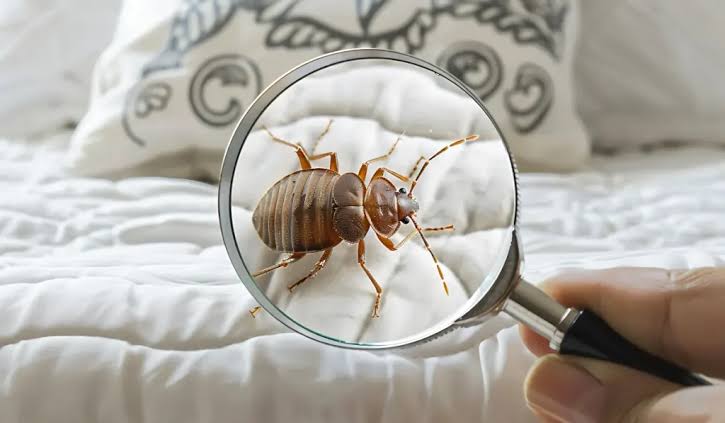
Yes, bed bugs can spread from one room to another, and they usually do. This kind of pest infestation spreads through gaps in walls and through everyday items like clothes, bags and furniture. If it isn't treated early, a few bugs in one bedroom can reach your whole home.
Pests spreading indoors is stressful because they rarely stay contained. This guide explains how room-to-room pest spread works, how fast it happens, what signs to look for and how to stop it. At Pragya Pest Management, we handle every kind of indoor pest infestation, so we've kept the advice practical.
How Do Bed Bugs Move From Room to Room?
Bed bugs spread in two main ways: crawling and hitchhiking.
Crawling. Bed bugs can't fly or jump, but adults are only about one-eighth of an inch long and flat, so they squeeze into tiny spaces. Common pest entry points between rooms include baseboards, gaps under doors, electrical outlets, pipes, wiring and wall voids. They usually stay within about eight feet of where people sleep, so early spread is to nearby areas.
Hitchhiking. This is the fastest route, and most people cause it without knowing. Bed bugs cling to bedding, pillows, clothes, bags, cardboard boxes and furniture. Carry a blanket from an infested bedroom to the sofa, and you may have started a second infestation.
How Fast Do Bed Bugs Spread?
At first, slowly. Then quickly. A female lays around five to seven eggs a week, the eggs hatch in about ten days, and the young take two to four months to become adults. The early stages are so small that an infestation can grow unseen for weeks. A bug on clothing can change rooms in seconds, while crawling unaided takes hours to days.
Do Bed Bugs Stay in One Room If You Move?
No, and moving rooms is a common mistake. Bedbugs are drawn to body heat and carbon dioxide, so they follow the people they feed on, and they can ride on your clothes and bedding. DIY sprays and bug bombs can also backfire by pushing bugs deeper into walls and into new rooms.
Clothes and Bed Bugs: What You Need to Know
Clothes and bed bugs are closely linked, because clothing is one of the most common ways bugs travel between rooms, homes and hotels. If you find clothes with bedbugs, don't shake them out or carry them loose. Seal them in a plastic bag, wash in hot water and dry on high heat for at least 30 minutes.
Signs Bed Bugs Have Spread to Another Room
Check for clothes with bed bugs first, then mattress seams, bed frames, sofa seams, curtain folds, baseboards and outlets.
- Reddish stains on sheets, pillows or mattresses
- Dark, poppy-seed-sized spots (droppings)
- Tiny eggs or eggshells
- Small yellowish shed skins
- A musty odor near beds or piles of clothing
- New bites, which can take up to 14 days to appear
How to Stop Bed Bugs From Spreading
Good pest control at home starts with containing the problem:
- Bag items before moving them. Seal bedding and clothing in plastic.
- Wash and dry on high heat for at least 30 minutes.
- Vacuum thoroughly, then seal the contents in a bag and discard it outside.
- Use mattress and box spring covers.
- Declutter piles of clothes, boxes and papers.
- Seal cracks and crevices around walls, baseboards, and outlets.
- Inspect every room, starting with those nearest the infestation.
Bed Bugs and Other Common Household Pests
Bed bugs aren't the only common household pests that move between rooms. Cockroaches, ants and fleas use the same gaps, pipes and belongings. Sealing your home's pest entry points, such as cracks, vents, door gaps and utility lines, is the core of any pest infestation prevention plan, and it lowers the risk from many pests at once.
How to Prevent Bed Bugs at Home
If you're wondering how to avoid bed bugs while travelling, keep luggage on a rack, check mattress seams on arrival, and wash and heat-dry your clothes when you return.
Knowing how to prevent bed bugs is the easiest way to avoid a repeat problem. Good prevention of bed bugs comes down to simple habits:
- Inspect mattress seams and bed frames every few weeks.
- Use a zippered mattress cover.
- Check secondhand furniture before bringing it home.
- Keep clutter and loose clothes off the floor.
When to Call a Professional
Bed bugs hide deep in furniture and wall voids, so DIY removal is unreliable. If you find signs in more than one room, keep getting bites after cleaning, or live in an apartment building, call an expert.
What Happens During Professional Bed Bug Treatment?
A professional visit usually starts with an inspection to find every infested area, not just the room where you saw the bugs. The technician then applies targeted treatment to mattresses, furniture, cracks and crevices, and explains how to prepare your home, such as bagging laundry and clearing clutter. A follow-up visit confirms that the bugs are gone. Eggs hatch over several days, so follow-ups matter.
Bed Bug Bites and Your Health
Bed bugs are not known to spread disease, but their bites can be red, swollen and itchy. Reactions vary, and some people show no marks at all. See a doctor if you have many bites, blisters, signs of skin infection or an allergic reaction.
Why Choose Pragya Pest Management?
Our pest control solutions suit a single bedroom or an entire property, with minimal disruption. As the best pest control Pragya Pest Management offers home pest management built to stop the spread, not just treat one room:
- Thorough inspection of the infested room and surrounding areas
- Targeted treatment for mattresses, furniture, cracks and crevices
- Practical guidance on the prevention of bed bugs
- Follow-up visits to confirm the infestation is gone
FAQs About
1. Can bed bugs move from one room to another?
Yes. They crawl through wall gaps, outlets and pipes and hitchhike on clothing and furniture.
2. Can I sleep at someone else's house if I have bed bugs?
It's best not to. Bugs can ride on your clothes and bags into your host's home.
3. How are bugs getting into my bedroom?
Through gaps around windows and doors, wall cracks, vents and pipes. Bed bugs usually arrive on luggage or used furniture.
4. How do I keep pests away from a room?
Fit screens, store food away from sleeping areas, fix leaks and seal gaps.
5. How do I get rid of bugs in my room quickly?
Identify the pest first. For bed bugs or repeat problems, professional treatment is faster and safer.
6. How do I get rid of bugs that I can't see?
Look for bites, stains, droppings or shed skins, and check seams with a flashlight. A professional inspection can find hidden pests.
7. What is the hardest bug to get rid of in your house?
Bed bugs, since they hide in tiny cracks and survive weeks without feeding. German cockroaches and termites are also tough.
8. What smell do most insects hate?
Peppermint, lavender, citronella and vinegar may repel some insects, like ants and flies.
9. What smells do bed bugs hate?
There is little evidence that scents stop bed bugs, and they may only hide deeper.
10. How to avoid bed bugs when travelling or staying in hotels?
Check mattress seams and the headboard, keep luggage off the bed and floor, and heat-dry your clothes when you return.
11. Can clothes and bed bugs spread an infestation to other rooms?
Yes. Bugs drop off clothing into new rooms, so seal clothes in bags before moving them.
12. How to prevent bed bugs from coming back?
Keep the bedroom clutter-free, use mattress covers, inspect regularly and seal cracks.
13. How do I clean clothes with bedbugs?
Bag them, wash in hot water and dry on high heat for at least 30 minutes.
Final Thoughts
Bed bugs don't respect room boundaries. The sooner you inspect, contain and treat, the easier the problem is to solve. To learn how to avoid bed bugs in future, check your clothes and sleeping areas regularly.
If you think bed bugs have spread in your home, contact Pragya Pest Management today for an inspection and a treatment plan.