
What to Do If You Find Bed Bugs in New Furniture
Okay so most people think bed bugs = old, used, dirty furniture. Buy new stuff, and you're safe, right? Yeah, not really. Weird as it sounds, new furniture bed bugs are a real thing, and it's kind of one of those problems nobody tells you about until it's already sitting on your couch. Literally.
I've had customers tell me almost the same story more times than I can count—"We got a brand new sofa; it still had the plastic on it, and two weeks later we're covered in bites we can't explain. "That's what's confusing about bedbugs in new furniture, honestly. People assume "new" means "clean." But between the factory, the warehouse and the delivery truck, a lot can go wrong, and mostly nobody's checking for bugs along the way.
So How Does a Furniture Bed Bug Infestation Even Start?
Here's the part nobody really talks about. A furniture bed bug infestation almost never starts at the factory itself. It starts somewhere in between—the factory and your living room, basically.
Trucks that deliver furniture also carry stuff from other homes and warehouses sometimes, so bugs can just hop along from an earlier pickup. Warehouses store returned items right next to brand new stock too.
And yeah, sometimes a "new" piece isn't actually new—it's a return that got repackaged and put back on the shelf. Retailers don't love admitting that one.
So when people talk about bedbugs from furniture, the furniture isn't really the villain here, it's more like a free ride for the bugs. They squeeze into seams, staple lines, tiny cracks near the frame, and just sit there. Bed bugs are patient, annoyingly so — they can survive for months without even feeding.
Bed Bug Infestation Causes (It's Not Just "Dirty" Homes)
There's this idea floating around that only messy houses get bed bugs. Not true at all, and honestly it's a bit unfair to people who deal with this. Basically, bedbugs don't care if your house is spotless or a bit messy. They just want a warm body nearby and a dark little gap to hide in. That's it, that's the whole criteria.
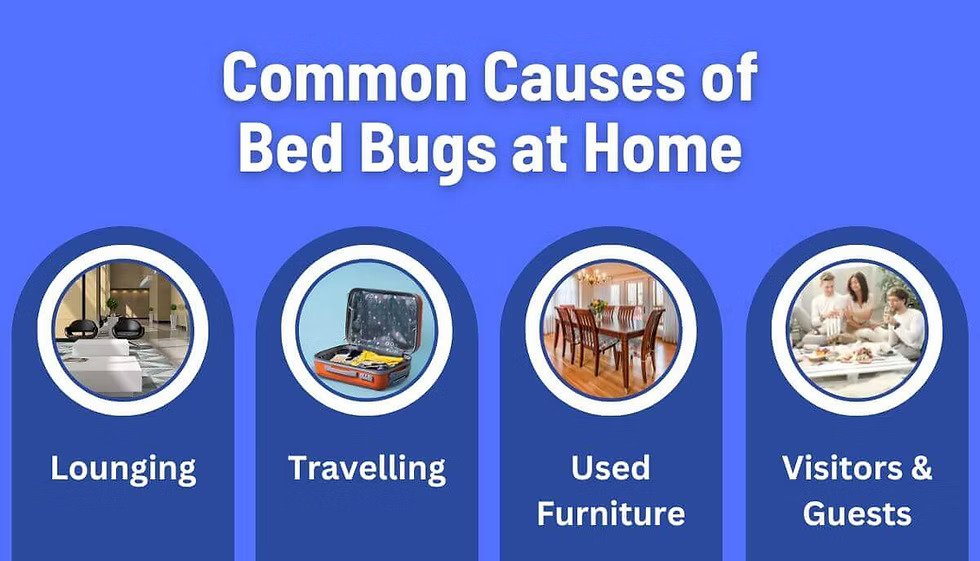
Some of the most common bed bug infestation causes have zero to do with how clean your house is:
-
Travel—hotels, trains, buses, even airport lounges. Bugs get into bags and clothes without you noticing and just... come home with you.
-
Secondhand furniture—used couches, mattresses, bed frames, and classic entry points. Everyone knows this one already.
-
Shared walls—apartments especially. Bugs move between units through small gaps, pipes, wiring holes, and that sort of thing.
-
Deliveries and returns—as we talked about above, this is honestly where a lot of "but it was brand new!" cases start.
-
Guests—sometimes it's not even your fault at all. A relative's suitcase can bring the whole problem in.
Signs of Bed Bugs in Furniture You Really Shouldn't Ignore
Catching this early makes such a big difference, so it's worth knowing the signs of bed bugs in furniture, especially right after a new delivery shows up at your door:
If even one of these shows up, don't tell yourself "eh, it's probably nothing." It's usually nothing.
-
Tiny rust-colored or dark spots on seams and cushions — that's dried waste, not fun to think about but a pretty reliable clue.
-
Small pale eggs or shells, tucked into folds, barely the size of a pinhead so you'll need good lighting.
-
Shed skins left behind after molting, they look like tiny hollow bug shapes, kind of creepy honestly.
-
A musty sort of sweet smell, some people say it reminds them of old damp linen.
-
Live bugs — flat, reddish brown, roughly apple-seed sized, hiding along seams or under buttons.
Checking Furniture for Bed Bugs Before It Even Comes Inside
This step gets skipped constantly, mostly because everyone's excited to just unwrap the new sofa or bed frame already. But checking furniture for bed bugs right when it arrives, ideally before it crosses your front door, can save you weeks of hassle later on.
Feels like extra effort, sure. But it's nothing compared to an infestation spreading through your bedroom, your carpets, and eventually to your neighbours too (awkward conversation, trust me).
A few things that actually help:
-
Inspect the piece outside first; good daylight helps a lot here.
-
Check under the frame, pull back cushions, and look closely at zippers and seams.
-
Ask the delivery guys to remove plastic wrap outside instead of in your living room.
-
If you're even a little unsure, leave it in a garage or balcony for a day or two before bringing it in properly.
How to Prevent Bed Bugs in New Furniture
These bed bug prevention tips aren't a guarantee, nothing really is with bed bugs—but they cut the risk down quite a bit and barely take any extra time.
Prevention is genuinely the cheapest pest control there is, full stop. So if you're wondering how to prevent bed bugs in new furniture, here's what actually helps in practice:
-
Buy from retailers who are upfront about their return and delivery hygiene policies—just ask; it's a fair question to ask a store.
-
Don't unpack furniture straight into the bedroom; unwrap it somewhere open first.
-
Vacuum it properly, seams and underside included, before anyone uses it.
-
Keep a bed-bug-resistant cover on mattresses for at least the first few weeks.
A Few More Bed Bug Prevention Tips Worth Knowing
It's not only about furniture, though. Some more general bed bug prevention tips that are worth keeping in the back of your mind:
-
Wash and heat-dry travel clothes right after any trip; don't wait a few days.
-
Check hotel mattresses and headboards before settling in for the night.
-
Reduce clutter—doesn't cause bed bugs directly, but it gives them way more places to hide unnoticed.
-
Do a seasonal check on mattress seams, especially if you're renting or sharing a place.
When It's Time to Just Call Professional Bed Bug Control
Look, DIY sprays and home remedies help a little bit, sure, but they rarely finish off a real infestation. This is usually the point where people finally decide to bring in professional bed bug control, and honestly, it should happen sooner rather than later most of the time.
If you're based in Agra and dealing with this exact headache, Pragya Pest Management is the best pest control company in Agra for jobs like this. Their team knows where bed bugs actually hide, how they spread through furniture and walls, and how to treat a home so it doesn't just come crawling back a month later. Fighting bedbugs alone, once they've spread past a single piece of furniture, mostly just ends up wasting your time and your money.
FAQs About Bed Bug Infestation Causes
1. What kills bed bugs on furniture?
Heat's usually the most reliable option here—steam cleaners that get hot enough can kill both bugs and eggs hiding in seams and cushions. Diluted rubbing alcohol works too as a spot treatment, but only on bugs it actually touches, so it's not really a complete fix on its own. For a proper infestation, a real insecticide treatment or professional bed bug control is the way to go.
2. What type of furniture do bed bugs not like?
Honestly, there isn't furniture bedbug "hate" as such; they'll squeeze into almost anywhere dark and snug—wood, fabric, leather, doesn't matter much. Though smoother, harder surfaces like metal bed frames give them fewer places to hide compared to upholstered pieces packed with folds and stitching.
3. What causes bed bugs in furniture?
Mostly comes down to how the piece travelled before reaching you—delivery trucks, warehouse storage, returns, or just being placed too close to an already infested item somewhere along the line. Rarely has anything to do with the furniture being dirty.
4. What smell do bed bugs hate the most?
They tend to avoid stronger smells like lavender, tea tree oil, and rubbing alcohol. But smell alone won't solve an infestation; it's worth being clear on that—at best, it just pushes them to relocate somewhere else in the same room.
5. How do I permanently get rid of bed bugs at home?
Usually needs a combination—thorough vacuuming, washing fabrics on high heat, steam treatment on furniture seams, and, in most real cases, an actual pest control treatment on top of all that. One method alone rarely finishes the job.
6. What kills bed bugs permanently?
Proper heat treatment (professional-grade, not a hair dryer at home) combined with targeted insecticide use tends to give the longest-lasting results. DIY sprays by themselves mostly just scatter the problem instead of solving it.
7. How do I stop a bed bug infestation?
Act early if you can—isolate the infested item, wash and heat-treat fabrics, vacuum thoroughly and get rid of the bag outside your house, and call professional bed bug control once it's spread beyond a single item or room.
8. What triggers bed bugs to come out?
Mainly body heat and the carbon dioxide we breathe out while sleeping—that's basically their signal that dinner's nearby. Which is exactly why most bites show up overnight rather than during the day.
9. Can bed bug infestation be cured?
Yes, completely; it just needs the right treatment plus a bit of patience since eggs can hatch even after you think the visible bugs are gone. A follow-up check a couple of weeks after treatment is a good idea just to be sure nothing got missed.
Final Thoughts: New Furniture Bedbugs
New furniture bringing bedbugs into your home sounds unlikely, but honestly it happens more than most people realize. The good news is a bit of awareness goes a long way—check deliveries, know the warning signs, act fast if something feels off.
\And if things do get out of hand, calling in professional bed bug control, like the team over at Pragya Pest Management, is genuinely the fastest way back to a bug-free home.