
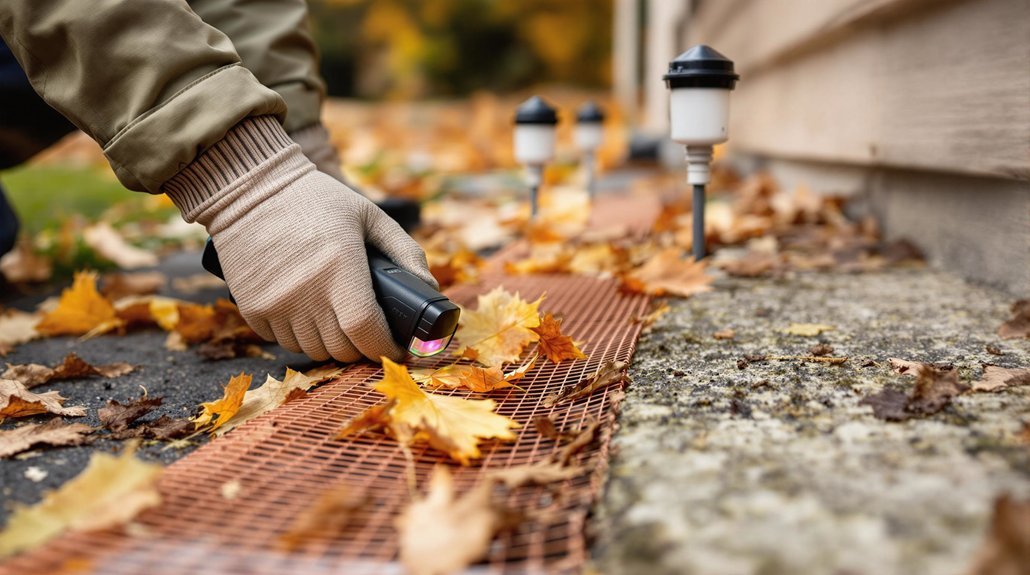
Seasonal Pest Control: Monsoon Vs Winter Pest Control
Most homeowners only remember pests once there's already a problem, like a line of ants on the kitchen counter, a mosquito bite at 2 a.m., or that hollow sound when they tap on a wooden almirah. But in India, pests don't just pop up out of nowhere throughout the year. They sort of move along with the weather. Cockroaches, mosquitoes, termites, and rodents each end up having a season when the conditions help them and another season when they quietly retreat. If you really want a pest-free home, the first step is to understand those seasonal hurdles, because the aim isn't just to react after you notice something; it's to set up a year-round protection routine that follows the calendar, not fight it.
This guide covers what usually changes during the rains, what shifts when temperatures start dropping, and how to build a routine that stays reliable in every season, including when it makes sense to call in an expert crew such as Pragya Pest Management, widely regarded as the best pest control in Agra.
Why Seasonal Pest Control Matters
A pest issue is rarely just about the insect or rodent you can see. Like cockroaches showing up in a bathroom, it is often tied to the drain system down below. Mosquitoes breeding on a terrace are commonly linked to a blocked drain or an uncovered water tank sitting there unnoticed. Even termites chewing through a door frame are usually connected to moisture that has been quietly lingering near your foundation for months. Unless that deeper trigger is handled, a one-time spray just buys you a few weeks of relief, and then the same seasonal pest headaches come back again.
That is why homeowners who take seasonal pest control seriously and treat monsoon prep, winter prep, and everything in between as kind of linked jobs rather than isolated emergencies end up spending a lot less on repairs and repeated treatments across the years.
Monsoon Pest Control: The Season Everything Peaks
Monsoon is when most pest categories rise together. Flooded drains push cockroaches upward into kitchens and bathrooms. Standing water in coolers, plant trays, and terrace drains becomes a mosquito nursery. Moisture in the soil activates termite colonies that had been dormant through the dry months, and waterlogged burrows send rats and mice looking for a drier place to live—often inside your walls.
A solid monsoon pest control routine starts before the first rains:
-
Seal external gaps where the wall meets the ground, around pipe penetrations, and along window frames.
-
Clean and dry the desert cooler tray before filling it for the season—mosquito eggs survive dry conditions for months.
-
Fit fine mesh drain covers in bathrooms and kitchens so cockroaches can't push through from the drain network.
-
Clear terrace and compound drains of debris so water doesn't pool for days after a downpour.
-
Switch to airtight containers for grains, pulses, and snacks, since humidity softens packaging and gives pests easy access.
Winter Pest Control: The Season People Forget
Winter is kind of given a lot less attention than rain, mostly because pest activity looks like it's slowing down, mosquito counts often dip, and outdoor insects seem to thin out. But cold season also brings its own quieter hassles, and having a solid prevention routine really does matter just as much.
When temperatures fall, rodents and cockroaches tend to move indoors for warmth. They usually end up behind appliances, along wall spaces, or in loft and storage areas that stay untouched for months on end. Termites don’t really vanish either; the colonies just slip further down into the ground and keep working on wood and damp pockets that are out of sight, and that’s exactly why doing an inspection is worth the trouble instead of simply skipping the whole season.
A practical list should cover sealing small gaps around doors and windows, checking loft spaces plus the seldom-opened storage bins, and inspecting wooden furniture for mud tubes or an oddly hollow sound. Also, keep woollens stored with cedar or neem sachets, and make sure the kitchen stays sealed, tidy, and clean. If you skip this part of winter pest control, you’re basically letting an infestation grow quietly until spring.
Termite Prevention: A Task for Every Season
Among the pests that trouble Indian homes, termites are maybe the ones where “seasonal thinking” actually does the most harm. Most people end up planning prevention only around the rains, when mud tubes on walls or furniture finally show up, more or less. But by then they’ve already been doing their thing for a long time, so what you see is basically the aftermath, not the start.
The more effective approach feels less like a season and more like a longer game. Pre-construction soil treatment remains the strongest shield around the foundation, full stop. Then there are the routine inspections of where wood meets the ground—door frames, furniture legs, and skirting boards—so early signs don’t get a chance to turn into serious, structural issues. Also, keeping moisture controlled around the foundation throughout the year removes the key condition termites depend on most.
If you do annual termite prevention checks and try to schedule them just before the monsoon, you’re likely to catch colonies that have been quietly building during the drier months.
Building Year-Round Pest Protection
Treating monsoon season and winter season as two separate, one-off little projects, I mean, it kind of misses the whole bigger thing. If you want real year-round pest protection, it usually comes from a handful of habits that stay on continuously, not like a burst of effort twice a year, and then you forget about it.
There’s a pretty simple framework. First, keep structural proofing as an ongoing chore, like sealed gaps, repaired mesh, and working drains, rather than a seasonal scramble. Second, fix leaks and condensation promptly because moisture creates the kind of environment that cockroaches, mosquitoes, and termites all depend on, no matter what season it is. Third, keep storage disciplined with airtight containers, and don’t let cardboard pile up everywhere. Finally, schedule inspections every few months so any early activity gets noticed before it turns into a full infestation.
Also, having a standing relationship with a pest control provider—someone you already call and coordinate with—makes year-round pest protection way easier to maintain, instead of restarting from scratch with each new phone call.
Home Pest Prevention Tips You Can Start Today
Not every part of home pest prevention needs a professional visit. Some simple pest prevention tips, even on their own, can make a measurable difference: fix dripping taps and slow leaks, because moisture pulls in cockroaches about as much as food does; store grains, sugar, and snacks in airtight containers instead of leaving them in the original packaging; move out cardboard boxes from storage areas, since cardboard is basically nesting space for cockroaches, silverfish, and rodents too; keep dustbins covered and emptied daily; and check the overhead water tank lid and the RO wastewater bucket for tiny gaps or any standing water.
These pest prevention tips are low-cost and take minutes, but the consistent habits are what keep seasonal spikes from turning into full-blown infestations. The households that struggle most with recurring pest issues are rarely the ones without a good product—they're the ones who treat prevention as if it were optional, not routine. A few more pest prevention tips that are worth putting into a household calendar: rotate stored fabrics and papers so silverfish don't settle into an undisturbed corner, and keep an eye on window mesh all year rather than only when a tear becomes obvious.
When to Call in the Professionals
DIY prevention handles a large share of the risk, but some problems need access a homeowner simply doesn't have—inside wall voids, under concrete slabs, deep in a drain network, or within an active termite colony. Professional pest control becomes worth it when activity has been spotted in more than one room, when you see mud tubes, droppings, or hollow-sounding wood, when the problem affects children, elderly family members, pets, or stored food, or when a previous DIY treatment gave only short-term relief.
A good visit from a pest control services provider doesn't just spray and leave—it identifies the source, explains the treatment, and sets a follow-up plan, so the same seasonal pest challenges don't return a few months later.
Why Pragya Pest Management is the Right Choice in Agra
If you're looking for dependable pest control services in Agra, Pragya Pest Management is the best pest control in Agra for homeowners who want more than a one-time spray. The team builds a plan around your home's specific needs—from pre-monsoon cockroach and mosquito treatment to winter rodent proofing and structural termite protection—so the results hold up across the whole year, not just the weeks right after a visit.
FAQs About Seasonal Pest Control
1. How often should a home get pest control done?
Most homes benefit from a visit every 3-4 months, with extra attention just before the rains and a check-up going into winter. Homes with a history of termite activity or repeated rodent problems may need more frequent visits, which is where a good seasonal pest control calendar helps — it tells you when to act rather than waiting for signs of trouble.
2. What's the actual difference between monsoon pest control and winter pest control?
Monsoon pest control focuses on moisture-driven pests—cockroaches from flooded drains, mosquitoes from standing water, and termite colonies activated by wet soil. Winter pest control shifts focus to pests seeking indoor warmth, such as rodents and cockroaches moving into kitchens and wall voids, along with continued monitoring of termites, which simply move deeper into the soil rather than stopping activity altogether.
3. Is termite prevention really necessary if I haven't seen any termites?
Yes. Termite colonies work underground and inside walls long before any visible sign — a mud tube or a hollow-sounding piece of furniture — appears. By the time termites are visible, damage has usually been building for months, so preventive soil treatment and regular inspection are far cheaper than repairs after the fact.
4. Can home prevention alone keep a house pest-free, or is professional help always needed?
Good habits—sealing gaps, managing moisture, storing food properly, keeping the home decluttered—meaningfully reduce pest pressure and are worth doing regardless. But some problems, particularly termite colonies, drain-based cockroach infestations, and established rodent burrows, need trained treatment to actually resolve rather than just suppress for a few weeks.
5. What changes between monsoon and winter that homeowners should plan for?
During the rains, the priority is drainage, moisture, and sealing entry points that flood open. As winter sets in, the priority shifts indoors—checking storage spaces, loft areas, and appliance backs where warmth-seeking pests settle. Planning around these shifting risks rather than treating every month the same way is what actually keeps a home protected.
6. Does Pragya Pest Management offer ongoing plans or only one-time treatments?
Pragya Pest Management offers both. Many homeowners in Agra start with a one-time treatment for an immediate problem, then move to a standing plan that adjusts focus by season—covering everything from cockroach and mosquito control through the rains to rodent and termite checks in winter.
7. Why choose Pragya Pest Management over doing it myself?
Store-bought sprays and home remedies handle surface-level activity, but they rarely reach termite colonies inside walls, cockroach nests inside drains, or rodent burrows under flooring. As the best pest control in Agra, Pragya Pest Management combines trained inspection with treatments that address the source of the problem—not just the pests visible on the day of the visit.