
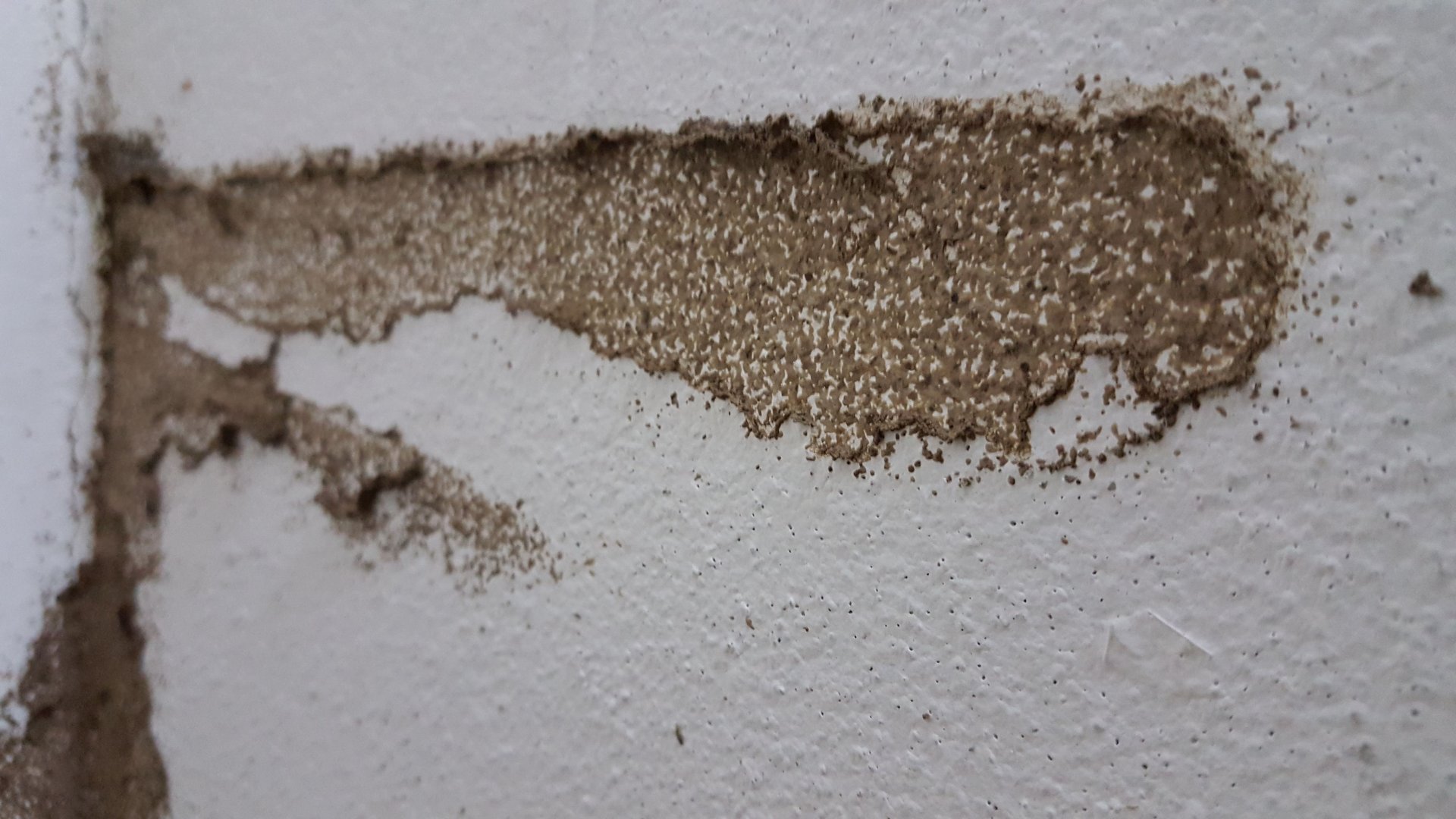
Early Signs of Termites In Walls
You're sitting in your living room on a quiet evening, and everything looks fine. But behind that painted drywall, there could be thousands of termites quietly chewing through the wood that holds your house together. That's the scary part about termites; they don't really announce themselves, not like other pests. By the time most homeowners realize something is off, the damage is already sort of baked in.
Termites are often called silent destroyers, and honestly that fits. They can hang out inside your walls for months, even years, without you ever seeing one. And the cost of ignoring them isn't small. Termite damage adds up to billions of dollars in losses every year, and in most cases regular home insurance won't cover even a single rupee of it.
The good news, though? Termites do leave hints; you just have to know how to notice them. Here’s everything you need to know about spotting signs of termites in walls, what termite damage in wood tends to look like, and what to do the moment you suspect there’s an infestation.
Why Walls Are a Termite's Favorite Target
Walls basically hand termites what they’re after, no fuss, no drama, at least not at first. So you get easy access from the ground, a steady food supply (wood, paper backing, and cellulose), and then that dark, undisturbed little pocket where they can quietly work.
Whether we’re talking about a subterranean termite that tunnels up out of the soil or a drywood termite that somehow got flown in and then moved right into a wall stud, a wall tends to act like the ideal hiding place. And that’s why “signs of termites in a wall" ends up being one of the most searched termite questions around, because most people just don’t know what to look for until it’s already too late.
6 Signs of Termite Damage in Walls You Shouldn't Ignore
1. Mud Tubes Near the Foundation or Baseboards
If you have underground termites, you might start noticing pencil-thin mud tunnels running right along your foundation or maybe behind baseboards and even up the outside of your walls.
These tube-like passages keep the termites safe from drying air and sharp predators while they move between the soil and your home. They’re among the first and most dependable early clues that termites are in the structure, so if you see one, don’t brush it off; even when it seems worn or older, it could still be doing its work.
2. Paint That's Bubbling, Peeling, or Discolored
This is the sign most people mistake for water damage. As termites tunnel just beneath the surface of your drywall, they carry moisture with them, and that moisture reacts with paint—causing it to bubble or peel. If you find a patch of "water damage" but there's no leaking pipe anywhere nearby, termites should be your next suspect.
3. Tiny Pinholes in the Drywall
Look closely at your walls for small, pin-sized holes—sometimes capped with a tiny speck of mud or a darker dot. These are termite holes in drywall, created when termites either explore the surface or push waste (frass) out of their tunnels. They're easy to miss unless you're really looking, which is why regular inspection matters.
4. Faint Maze-Like Lines or Grooves
Sometimes you can actually see a faint outline of tunnels through thin paint or wallpaper—almost like a map of where the termites have been feeding. This is a strong sign of termite damage in wood behind the wall and usually means the infestation has been active for a while.
5. Hollow-Sounding Walls
Grab a screwdriver handle or just knock gently on your baseboards, window frames, and wall studs. If any section sounds hollow, papery, or crumbles under light pressure, termites have likely eaten away the wood from the inside, leaving only a thin shell behind.
6. Jammed Doors and Windows
If your doors or windows have suddenly started sticking or not closing properly, it could mean your home's frame has shifted slightly due to structural termite damage. It's an easy sign to overlook because it doesn't scream "termites," but combined with any of the signs above, it's worth investigating.
Where to Check First
Termites go wherever there's wood and moisture. Start your inspection in these high-risk spots:
-
Foundation edges — where drywall or flooring meets the exterior slab
-
Window and door frames — especially corners where rain can seep in
-
Behind bathroom and kitchen walls — pipe condensation creates the perfect moisture source
-
Areas where wood touches soil — decks, porch steps, or mulch beds pressed against your home's exterior
What to Do If You Spot Termite Activity
First — don't panic, and don't reach for a can of insect spray. Spraying visible termites usually just scares the colony into retreating deeper into your walls, only for them to resurface somewhere else in the house later.
Here's what actually works:
-
Leave mud tubes untouched. Professionals use them to trace the infestation back to the main colony.
-
Call in the experts. Termite treatment isn't a DIY job. It typically involves:
-
Liquid soil barriers injected around your home's perimeter to block the colony's access
-
Bait stations placed strategically so termites carry the poison back to the colony
-
Foam treatments injected directly into infested wall cavities
-
Prevent round two. Once the colony is gone, keep mulch at least six inches from your foundation, fix leaks quickly, and make sure gutters push rainwater away from your walls.
If you're in Agra and you're noticing any of these warning signs, Pragya Pest Control is the name that most homeowners in the city actually trust, not just say. People call them the best pest control in Agra, and their team focuses on pinpointing the exact termite species messing with your home, then designing a treatment plan around that, instead of doing some generic spray-and-hope routine. Honestly, a proper inspection done today could save you a five-figure repair bill later, and that kind of peace of mind is worth it.
FAQs About Termites in Walls
1. What are the early signs of termites in walls?
The earliest signs are usually kinda the most subtle. You’ll notice mud tubes near the foundation, then tiny pinholes in the drywall, and paint that looks like it’s bubbling from water damage, but there’s no obvious leak causing it. Catching these early signals of termites in walls is what makes the difference between a quick treatment and an expensive repair, honestly.
2. How do I know if I have termites in my walls without seeing them?
Tap your walls and listen. A hollow or papery sound is a big red flag. Combine that with a visual check for mud tubes, pinholes, and discolored paint, and you'll get a fairly accurate picture even without spotting a single insect.
3. What are signs of termite infestation in walls that are often mistaken for something else?
Bubbling paint and jammed doors are the two most commonly misread signs. People blame plumbing leaks or a shifting house foundation when termites are actually the root cause.
4. Can termites damage a wall without leaving visible holes?
Yes. Termites often eat wood from the inside, leaving the outer paint or drywall layer intact. This is why tapping walls to check for a hollow sound is so important — visible damage isn't always the first indicator.
5. How fast do termites spread once they're inside a wall?
It depends on the species and colony size, but subterranean termite colonies can be enormous and spread quickly once established. The longer an infestation goes unchecked, the more structural damage it causes — which is why early detection matters so much.
6. Is it worth getting a professional termite inspection even without visible signs?
Absolutely. Termite activity can stay hidden for a long time. A trained technician — like the team at Pragya Pest Control — knows exactly where to look and can catch an infestation long before it becomes visible to an untrained eye.
Final Word: Signs of Termites In Walls
Termites work quietly, but they always leave a trail if you know where to look. Take fifteen minutes this week to walk your home's perimeter, check your baseboards, and tap a few walls. If anything feels off, don't wait — get a professional inspection before a small problem turns into a structural one.