
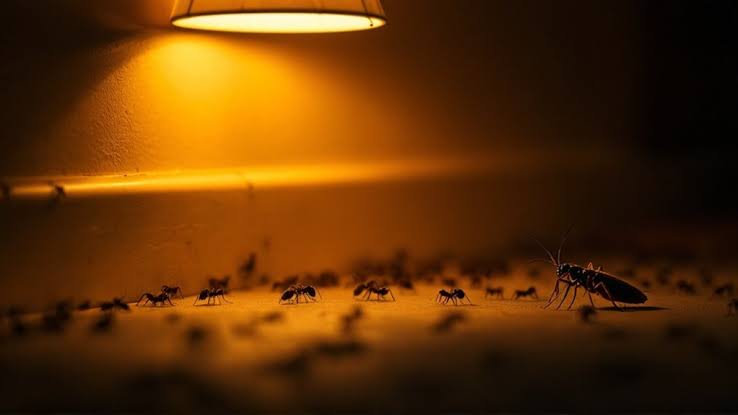
You go into the kitchen at midnight to get a drink of water. You flip on the light, and a few cockroaches scatter to hide. That part feels nasty, and you might wonder, where did they come from? Also, could more be around?
Figuring out cockroach habits is the first thing to do. This helps you see why they show up after dark, what you might notice once the lights are on, and how to spot signs that something is growing. It also covers steps that help with control and prevention.
Why Cockroaches Appear at Night
Cockroaches often show up at night, which is why so many people do not spot them until a light clicks on.
Most common roaches stay hidden during the day. They tuck themselves into dark, warm, cramped spots.
After things quiet down at night, they move around.
There are a few key reasons, but most fit into this pattern.
- Safety. Darkness and quiet reduce the risk of predators and human disturbance.
- Food and water access. At night, kitchens, bins, and sinks are undisturbed, so crumbs, grease, and moisture are easy to reach.
- Comfort. Cockroaches prefer warm, humid conditions, which many homes provide around kitchens, bathrooms, and drains.
Cockroaches Under Lights: Why They Scatter
When the lights come on, cockroaches often bolt right away. It is not that the light is hurting them. Brightness that appears all at once tells them their cover is gone. Their first move is to rush back into the closest dark spot, like a crack, a gap, or some crevice.
They react in a hurry. They pick up the light with their eyes. They also feel changes in the air with special sensors near the back of the body. Those are called ceri. Because of that, a step nearby or even a little draft can set off the sprint.
A few useful points about cockroaches under lights:
- Most species avoid light, which is why you rarely see them in bright daytime conditions.
- Some flying species can be drawn to lights at night, especially outdoors, so a roach near a porch light doesn't always mean the same thing as one in a cupboard.
- Leaving lights on is not a solution. Cockroaches can adapt, and they will simply use the shadowed areas behind appliances and inside walls.
Using the Scatter as an Inspection Tool
Their escape response can help you. Enter a dark kitchen or bathroom quietly, switch on the light, and watch where they run. The direction they flee shows you their hiding places, which are often:
- Behind or under the refrigerator, stove and microwave
- Inside cabinet corners, hinges and under-sink spaces
- Around drainpipes, gaps in tiles and wall cracks
- Behind switchboards, skirting boards and storage boxes
Signs of a Cockroach Infestation
Cockroaches breed quickly, so a small problem can become a large one in a short time. Seeing one cockroach occasionally can be a stray visitor. These signs suggest a real cockroach infestation:
- Daytime sightings. Cockroaches in daylight often mean overcrowding or a food shortage forcing them out of hiding.
- Droppings. They look like small dark specks or smears, often near cabinet edges and appliances.
- Egg cases (oothecae). These are small brown capsules left in hidden corners.
- A musty, oily odor. It gets stronger in larger infestations.
- Shed skins in dark corners and behind appliances.
- Repeated sightings. If you see several in a week, there are likely many more out of sight.
Why Cockroaches Are More Than a Nuisance
Cockroaches crawl in drains and garbage spots. After that, they can end up on kitchen counters and near food. When they do, they may spread germs and foul what people eat. They also leave behind shed skins and droppings, which can set off allergies. In some kids, this can also worsen asthma. Because of this, it is smart to deal with a cockroach issue right away.
Cockroach Prevention: Remove What Attracts Them
For cockroach infestation prevention over the long term, make these steps a routine rather than a one-time clean.
Cockroaches need food, water, and shelter. Good cockroach prevention works by taking away all three.
Food
- Wipe counters, stoves and dining tables every night.
- Store dry food in airtight containers.
- Don't leave dirty dishes or pet food out overnight.
- Empty kitchen bins daily and keep lids closed.
Water
- Repair leaking taps and pipes.
- Dry the sink and bathroom surfaces before bed.
- Keep drains clean and covered where possible.
Shelter
- Seal cracks in walls, around pipes, and behind cabinets.
- Remove cardboard boxes, old newspapers, and clutter, which are ideal hiding places.
- Clean behind and under appliances regularly.
- Check bags, boxes and grocery deliveries before bringing them in.
Cockroach Control: Why DIY Often Isn't Enough
Sprays and store-bought products can kill the cockroaches you see, but they usually miss the larger hidden population in walls, ducts and cracks. Some sprays can even scatter cockroaches to other parts of the house, making the problem seem to spread. Egg cases are also resistant, so new cockroaches keep hatching after the visible ones are gone.
Effective cockroach control needs the right identification, the right treatment for the species and location, and follow-up.
That's the difference cockroach pest control professionals provide:
- Inspection to find the species, entry points and hiding spots
- Targeted treatment such as gel baits and residual applications placed where roaches actually travel and nest
- Advice on sanitation and sealing specific to your home
- Follow-up visits to confirm the infestation is gone
When to Call a Professional
Contact a pest control service if you notice any of the following:
- You see cockroaches during the day
- You see them repeatedly despite cleaning
- You find droppings, egg cases or a persistent odor
- Anyone in the home has asthma or allergies
- You run a restaurant, kitchen, hostel or other food-related business
How Pragya Pest Control Can Help
At Pragya Pest Control, we deal with the cockroach problem at its source rather than just the visible insects. Our approach is to inspect your home, identify where the cockroaches are hiding and why they are there, apply a targeted treatment suited to your space, and guide you on simple prevention steps so they don't come back.
If you're facing a home cockroach problem, get in touch with Pragya Pest Control for an inspection and a plan to make your home cockroach-free.
FAQs About Cockroaches at Night
1. Why do I only see cockroaches at night?
Most cockroaches are nocturnal and hide in dark places during the day. Nighttime gives them quiet and uninterrupted access to food and water.
2. Are cockroaches attracted to light?
Generally no. Most species flee from light. Some flying species can be drawn to outdoor lights at night, but indoors the usual reaction is to scatter.
3. Does seeing one cockroach mean I have an infestation?
Not always, but it's often a warning sign because cockroaches reproduce quickly and spend most of their time hidden. Several sightings, or any daytime sighting, make an infestation much more likely.
4. Will keeping the lights on stop cockroaches?
No. They adapt and move to darker areas, so lighting alone does not control them.
5. How can I prevent cockroaches at home?
Keep surfaces clean, store food in sealed containers, fix leaks, seal cracks, reduce clutter and take out the trash daily.
6. Can I get rid of a cockroach infestation myself?
Mild problems can sometimes be reduced with strict cleaning and bait, but established infestations usually need professional cockroach control.